Busy weeknights call for meals that are fast, nourishing, and low on cleanup—without feeling repetitive. One-pot cooking keeps prep simple, limits dishes, and makes it easier to build balanced plates your household will actually enjoy. With a few repeatable methods and a smart stash of pantry helpers, “what’s for dinner?” can shift from a daily scramble to a calmer, more predictable routine.
One-pot dinners are less about “shortcut cooking” and more about a smoother workflow that matches real-life evenings.
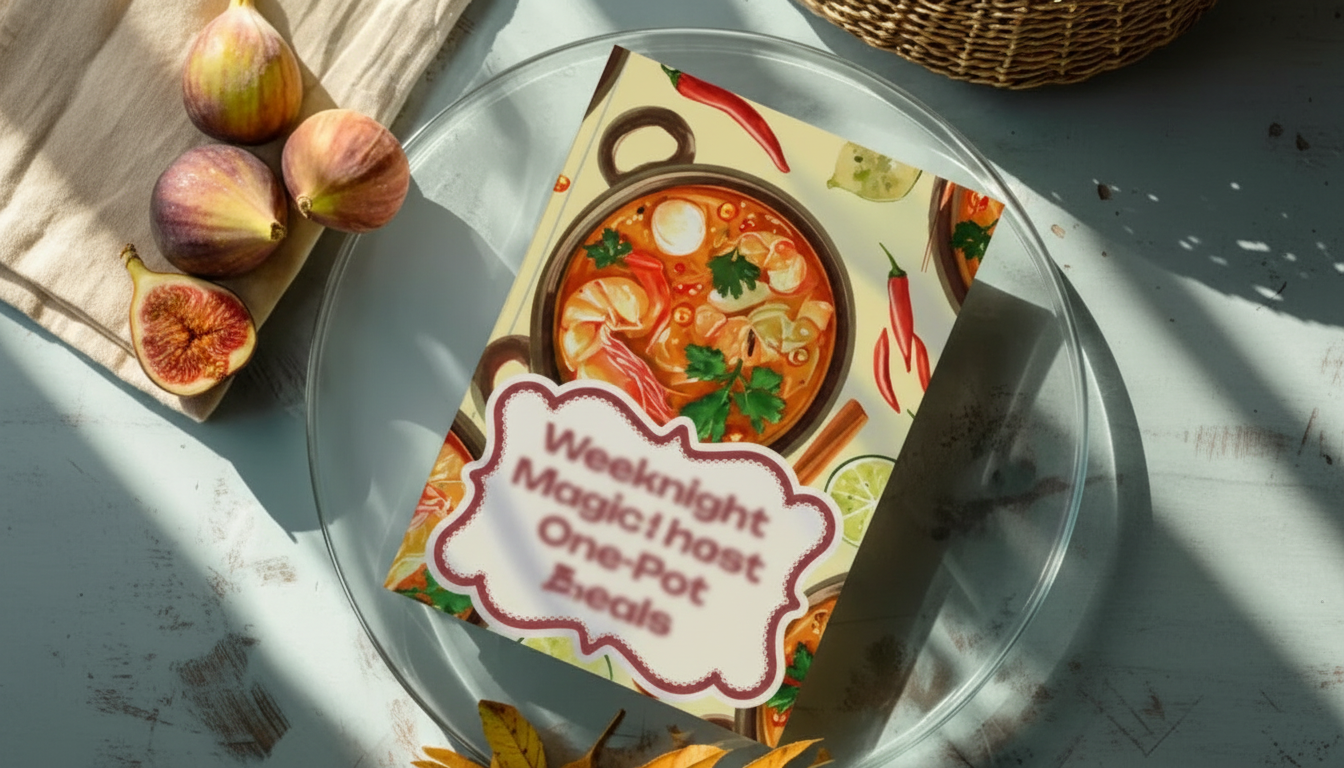
If the biggest challenge is consistency—getting dinner done without mental gymnastics—having a clear, repeatable playbook helps. Weeknight Magic: Easy One-Pot Meals (Digital Guide) is built for busy evenings, with quick, healthy, family-friendly recipes that lean on flexible ingredients and straightforward steps.
| Goal | Common obstacle | One-pot approach |
|---|---|---|
| Dinner in 30–45 minutes | Too much prep upfront | Use staged prep: chop while onions sauté; quick-cook grains or pasta in the same pot |
| More vegetables | Sides get skipped | Fold in greens at the end; add frozen veg mid-simmer; “roast-style” browning in the pot first |
| Less cleanup | Multiple pans and utensils | One pot + one cutting board; measure spices directly; deglaze instead of transferring |
| Consistent results | Recipes feel unpredictable | Repeat core methods: sauté aromatics → brown protein → simmer base → finish with herbs/acid |
For a simple “balanced plate” check, the USDA’s MyPlate guidance is a helpful reference—especially when you’re building one-pot meals from what you already have.
For everyday nutrition habits that stay realistic, the CDC’s overview on healthy eating for a healthy weight can help frame simple, sustainable choices.
| Night | One-pot style | Easy add-ons |
|---|---|---|
| Mon | Tomato-based pasta pot | Spinach at the end; grated cheese; side salad |
| Tue | Chicken or chickpea stew | Rice or crusty bread; lemon wedge finish |
| Wed | Veggie-forward soup | Yogurt swirl; herbs; toasted seeds |
| Thu | Skillet rice or grain bowl base | Quick pickles; avocado; hot sauce for adults |
| Fri | Comforting chili-style pot | Tortilla chips; sour cream; chopped onions |
For safe storage times and handling tips when you’re planning leftovers, FoodSafety.gov’s leftovers storage chart is a solid reference.
A wide, heavy-bottom pot or deep skillet with a lid is ideal because it gives you enough surface area to brown ingredients while still holding a steady simmer. For families and planned leftovers, a larger pot (think 5–7 quarts) helps prevent crowding and uneven cooking.
Build flavor in layers: sauté aromatics, brown the protein, deglaze the pot, then simmer. Finish with fresh herbs or an acidic splash (lemon or vinegar) to brighten the whole dish, and keep meals balanced with vegetables, beans or lean proteins, and a satisfying whole-grain option when possible.
Add a small splash of broth or water before reheating to loosen sauces and prevent drying out. Warm gently on the stove or microwave in short bursts, and store crunchy toppings or fresh herbs separately so they stay fresh when you serve again.








Leave a comment