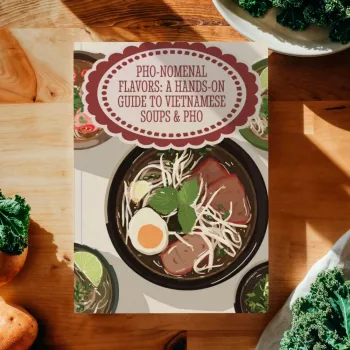
A great bowl of pho is equal parts aroma, balance, and technique—clear broth, springy noodles, fresh herbs, and just enough seasoning to make every sip feel layered. This guide breaks down the essentials of Vietnamese pho and soup-making into practical steps, with a digital cookbook format that’s easy to follow in the kitchen. For more guidance, see Vietnamese Pho recipe.
Pho’s roots and evolution are also part of what makes it so compelling, from its regional variations to how it became a modern comfort staple. For more background, see Britannica’s overview of pho and Smithsonian Magazine’s history of pho. For further reading, see Pho {Vietnamese Beef Noodle Soup}.
What separates pho from a “nice noodle soup” comes down to a few repeatable decisions—from how you treat the heat to when you add the final bright notes.
Clarity isn’t just cosmetic; a clean broth tastes cleaner. Keep the pot at a gentle simmer (not a rolling boil), skim early and often, and avoid aggressive stirring that churns fat and particles back into the liquid.
Pho’s signature fragrance comes from toasted spices (often star anise and cinnamon/cassia) plus charred onion and ginger. Toasting wakes up essential oils; charring adds smoky sweetness that rounds out long-simmered stock.
Pho should land savory and satisfying, but never heavy or one-note. Season gradually and taste late in the process, then adjust right before serving so salt, umami, and subtle sweetness feel integrated—not harsh.
Herbs, bean sprouts, lime, and chiles aren’t optional decoration—they’re the counterweight. They lift richness, sharpen aroma, and let each person tune the bowl to their ideal bite.
If you want guidance that feels like cooking alongside someone who’s done it a hundred times, Pho-nomenal Flavors: A Hands-On Guide to Vietnamese Soups & Pho (Digital Ebook) is built around process, not guesswork. The focus is on the “why” behind each step—so you can repeat results, scale up, and troubleshoot without starting over.
Setting up a small pho “pantry” makes weeknight bowls far more realistic. Once you’ve stocked the basics, you’re mostly buying fresh garnishes and proteins.
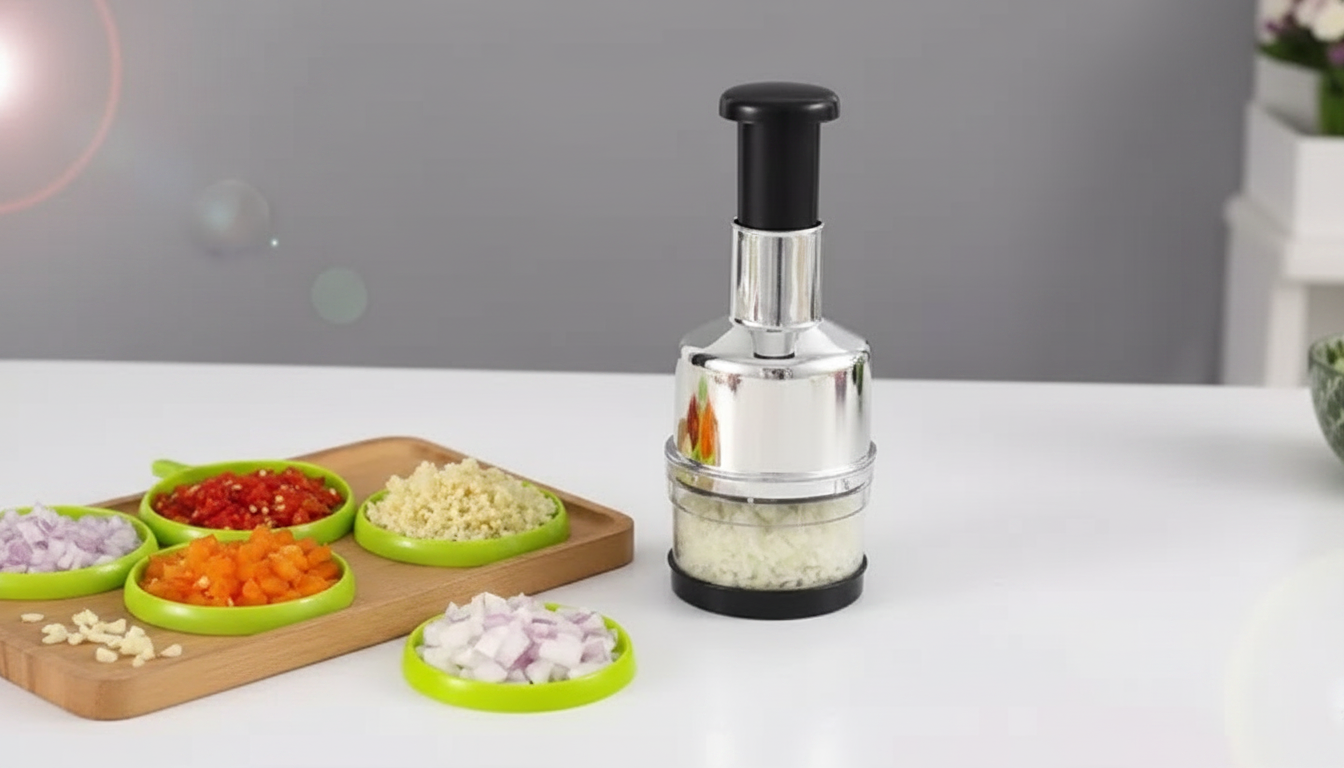
To keep prep consistent (especially when you’re doing ginger, onions, and quick garnish work), a sharp, easy-to-control tool like the Multifunctional Stainless Steel Vegetable & Fruit Peeler can speed up the “small stuff” that still takes time.
| Component | Examples | When to Add | Purpose |
|---|---|---|---|
| Broth | Beef pho broth, chicken pho broth | Piping hot at serving | Carries aroma and flavor |
| Noodles | Dried rice noodles (bánh phở) | After cooking and draining | Body and chew |
| Protein | Thin-sliced beef, shredded chicken, meatballs (optional) | Before broth (raw thin beef) or after (cooked) | Hearty centerpiece |
| Aromatics | Sliced onion, scallions | In bowl before broth | Bright crunch and perfume |
| Herbs | Basil, cilantro, mint (optional) | After broth | Fresh lift |
| Crunch | Bean sprouts | After broth | Texture contrast |
| Acid & heat | Lime, fresh chiles, chili sauce | To taste at table | Balance richness; personalize |
| Sweet/savory extras | Hoisin, extra fish sauce (sparingly) | To taste at table | Fine-tune balance |
Pho is defined by its fragrant, toasted-spice aroma and a clear, gently simmered broth built around charred aromatics. Other Vietnamese noodle soups often use different broth bases, herb profiles, and noodle types, so the overall fragrance and finish can be noticeably different even when the bowl looks similar.
Chicken pho broth often tastes full and clean in a shorter simmer, while beef pho broth typically benefits from a longer, low-and-slow extraction. In both cases, keeping the heat gentle and skimming regularly helps develop flavor without sacrificing clarity.
Toast your spices, char your onion and ginger, and season in stages so flavor builds instead of spiking at the end. Finish the bowl with lime and fresh herbs to brighten the broth right before eating.









Leave a comment