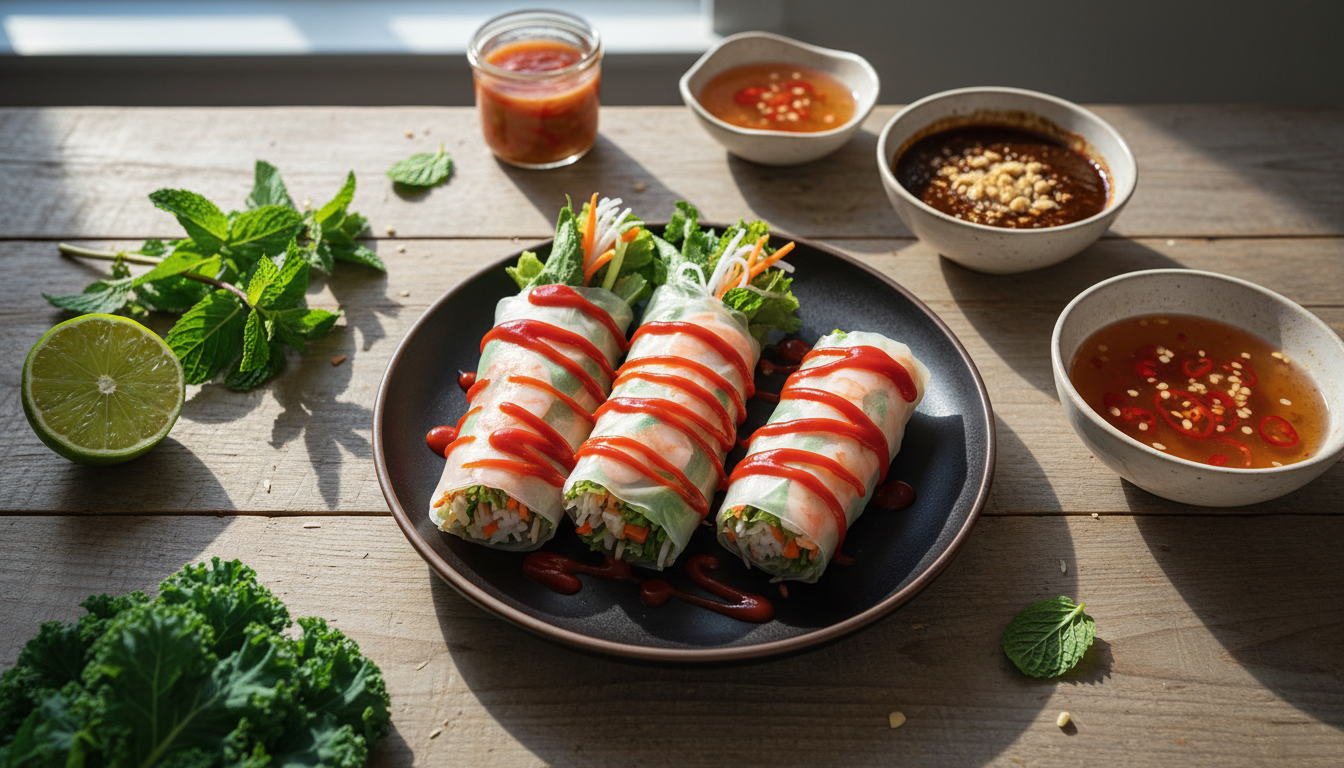
Vietnamese spring rolls and bánh varieties reward simple prep, fresh herbs, and a few reliable techniques. This guide breaks down the core roll styles, must-have ingredients, and beginner-friendly methods for rolling, frying, serving, and storing—so results look neat and taste balanced from the first try.
In Vietnamese, “bánh” is a broad, everyday word for many foods made from rice, flour, or starch—think wrappers, dumplings, crepes, and cakes. Spring rolls sit inside that bigger family, especially when rice paper (bánh tráng) is involved. Most beginners run into two classic spring-roll directions: fresh rice-paper rolls (often called gỏi cuốn) and crispy fried rolls (often called chả giò).
For consistently “right” flavor, aim for a clear structure in each bite: fragrant herbs + savory protein + chewy rice noodles + crunchy vegetables + a punchy dipping sauce that ties everything together.
| Style | Wrapper | Texture | Typical fillings | Best dipping sauce |
|---|---|---|---|---|
| Gỏi cuốn (fresh rolls) | Rice paper (bánh tráng) | Soft-chewy, crisp from herbs/veg | Shrimp or pork, rice vermicelli, lettuce, mint, basil | Hoisin-peanut or nước chấm |
| Chả giò (fried rolls) | Rice paper or wheat-based spring roll wrappers (varies by region) | Crispy exterior, juicy interior | Pork/shrimp, mushroom, glass noodles, carrot | Nước chấm |
| Bánh tráng cuốn variations | Rice paper | Light and flexible | Grilled meats, pickles, herbs | Fermented fish sauce or nước chấm |
Start with a short, dependable list and your rolls will taste balanced even before you get fancy.
For a deeper sense of how herbs, sauces, and textures show up across Vietnamese food, the Vietnam National Administration of Tourism’s overview of Vietnamese cuisine offers helpful context.
If you want a step-by-step reference you can keep on your phone while cooking, the Rolling Delight: A Beginner’s Guide to Vietnamese Bánh & Spring Rolls eBook is a handy companion for new rollers.
Rolls are best fresh, but smart handling keeps leftovers safer and more enjoyable. For foundational guidance, review the CDC’s Clean, Separate, Cook, Chill and the USDA’s leftovers and food safety recommendations.
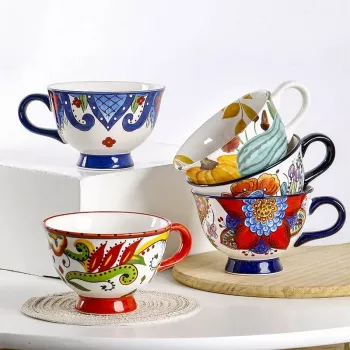
Pair rolls with a cold drink for contrast; the Japanese Ripple Glass Cup Mug makes a simple, stylish serving option for iced tea or lime soda alongside a roll platter.
Rice paper often tears from over-soaking, wet herbs/noodles, or sharp ingredient edges poking through. Dip for a shorter time, pat fillings dry, and cut vegetables into smooth, even matchsticks; roll snugly but not so tight that the wrapper strains.
Gỏi cuốn are fresh rolls made with softened rice paper and served cool with herbs, noodles, and a dipping sauce. Chả giò are fried rolls with a crisp shell and a hot, savory filling, typically dipped in nước chấm and often wrapped in lettuce and herbs at the table.
Keep the filling dry, fry at a steady medium temperature, and drain on a rack so steam doesn’t soften the crust. If they soften after sitting, reheat on a rack in the oven or air fryer to restore crunch.








Leave a comment